Archive for April, 2011

Youth, Beach and Bieber
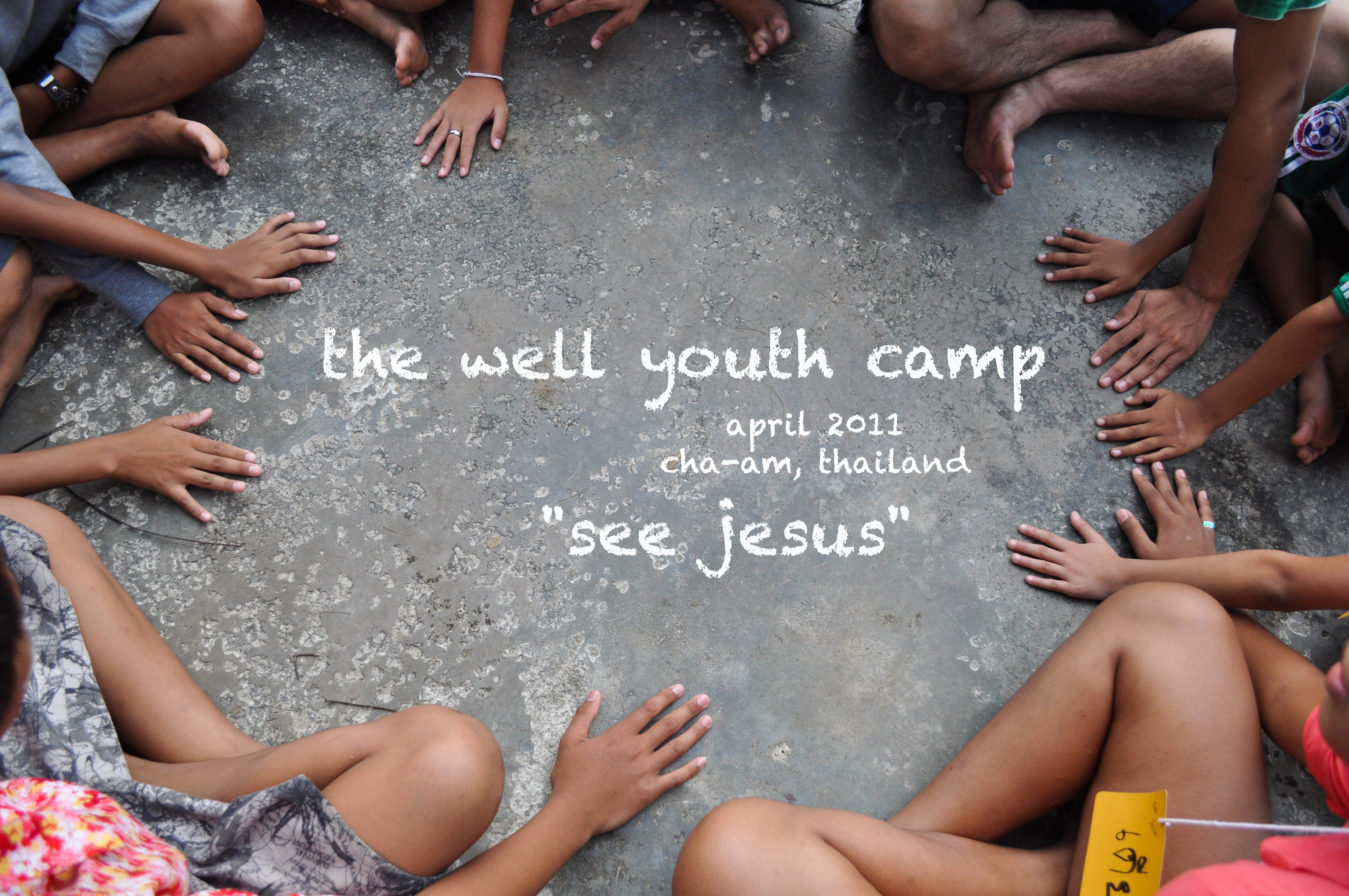
Three days at a secluded Thai beach sounds like heaven doesn’t it?  It was for us last week, but not like you might expect.

A little background first…. Last year The Well started ramping up efforts to serve the youth in our community, driven by the recognition that the children of students in our program were craving discipleship as much as their moms were.  Though the kids aren’t with us year round (most spend the majority of the school year out in the provinces with extended family – usually grandparents) they venture in to Bangkok during their long school breaks a couple times per year.

The youth activities have quickly expanded in a crazy, organic fashion to our neighbors in Bangkok and our extended family of kids in Buriram this spring.  We have a rock-star team of Thai leaders – spearheaded by the fearless Jup – and have seen some awesome growth in these kids in the short time they’re with us.

The culmination of this current school break for the kids was a three-day camp in ChaAm just a few ours out of Bangkok.

A few highlights:

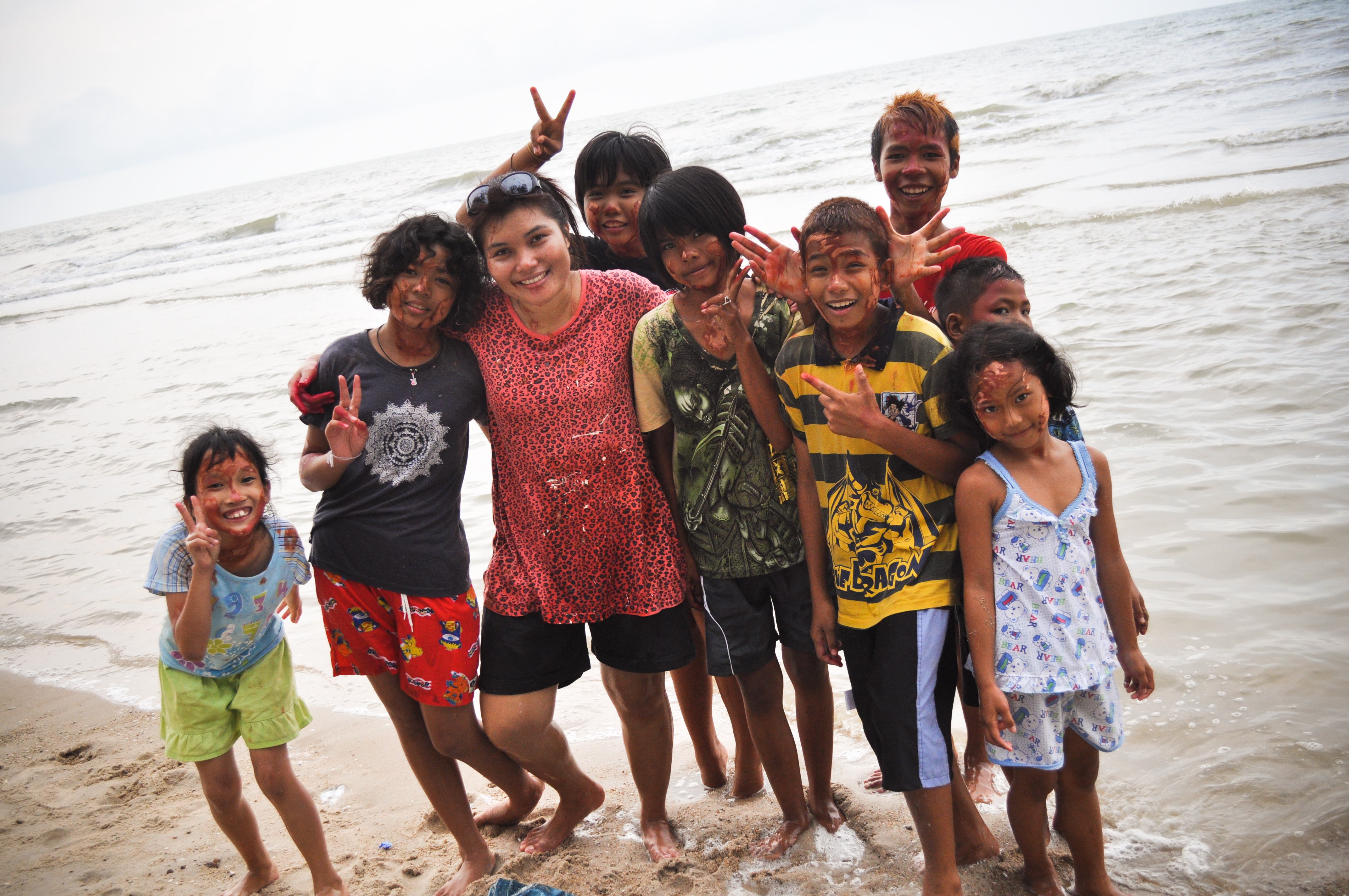
  • Consequences of losing Thai games seem far more severe than in America.  Think red-food-coloring-mud-baths, corn starch and embarrassing dances.
  • It’s easier to get kids to concentrate on lessons when the ocean is infested with jellyfish.  Kids running out of the water screaming “I itch all over!!!!” was not uncommon.
  • Thai teenage girls are as obsessed with Justin Bieber as our NCC youth (or at least their fearless leader Jenilee Joy!) 😉
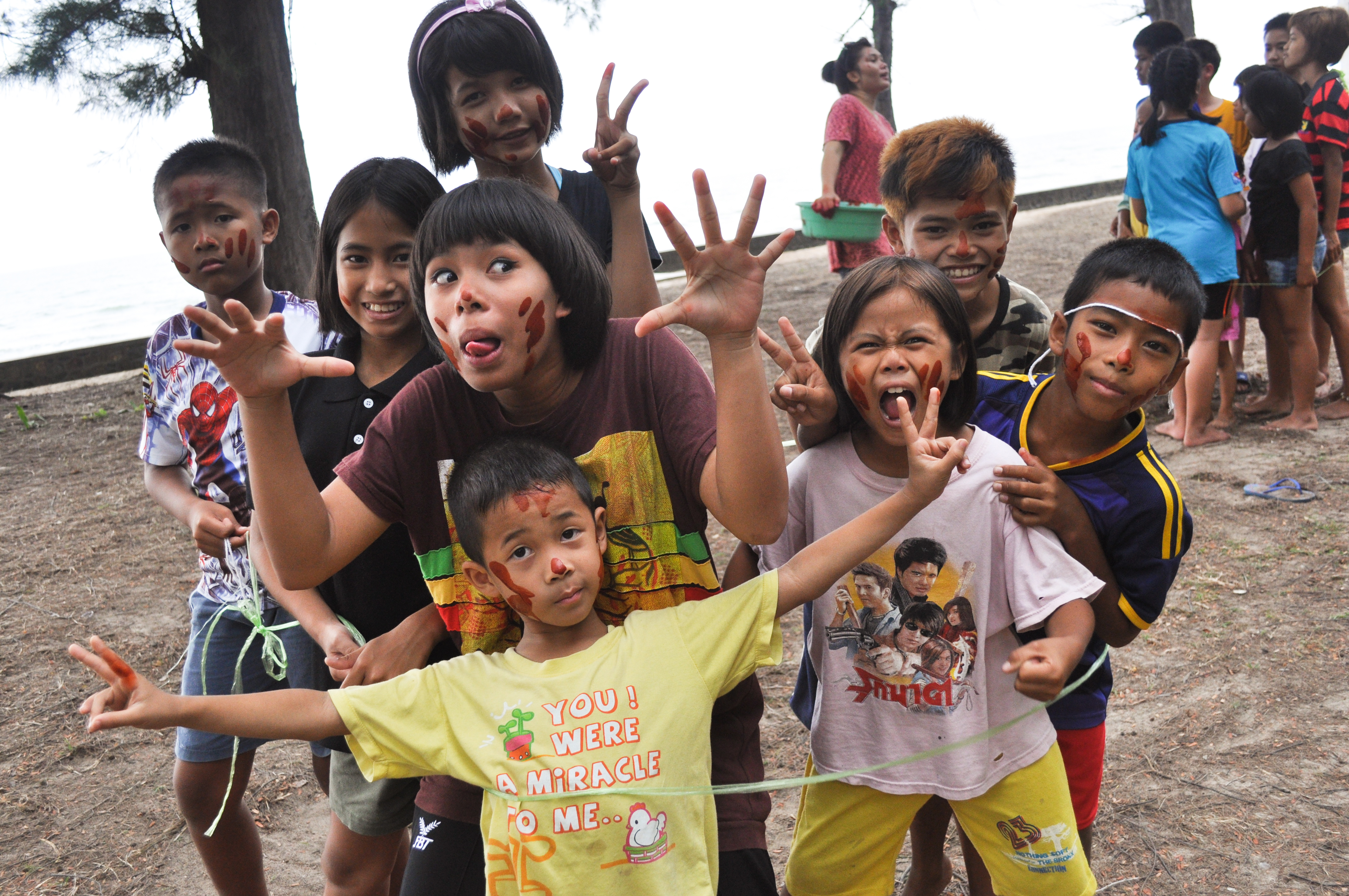
On a serious note, the kids were exposed to a series of lessons on what it means to “see Jesus” — looking at Him not as some foreigner teacher, but as a personal Savior, friend, and God of all nations and people.

One of my most precious times was a walk on the beach – careful to avoid the jellyfish mines – with a couple of our teenage girls that I’ve come to adore. (Not that I have favorites, but if I were to have them…..)  Switching gears abruptly from the all-important “Does Justin Bieber live in America or Canada?” question, one of the girls looked at me and asked if all foreigners were Christian.

She said she was curious because her teacher said that Jesus is for foreigners, not for Thai people.  I chatted with her in my broken Thai, giving her some different ideas to ponder – that Jesus came for everyone and not just for white skinned Westerners, and just because someone is a foreigner doesn’t mean they have decided to follow Jesus.  We chatted a bit more before the conversation migrated off to some more silly teenage talk.

Later I spent some time thinking about the context of her question.  She lives in a country where Christianity represents less than one percent of the population. Her dad is Muslim but she was raised by her single, hard-working mom that ended up working at a bar as a last resort to make sure her daughters would get a better education than she was able to get. Her only personal exposure to the concept of Christianity was that it’s a religion of foreigners and of no real consequence to Thai people.  I’m not entirely sure what foreigners she had been exposed to prior to the handful of us at The Well (and Bieber, of course) but I have my guesses.  I wonder what sort of impression other foreigners lave left on her idea of Christianity if she had been taught to believe that their white skin made them Christian regardless of their actions.

But here’s the good news:  She and a handful of other teens with similar stories have been drawn into a community where they are being loved and discipled by some rock star Thai leaders that not only believe in Jesus but that have “consequential faith.”  Each is living out a radical faith in light of Christ’s work in their lives.

My little mini-sermon in broken Thai can only go so far, but it’s the faith modeled by their Thai brothers and sisters that is turning their concept of Christianity upside down and right side up again.

I love our Thai leaders.  We need more of them!

Mountains and Messes

Who doesn’t love being on the mountain top?  I suppose there are a few folks out there afraid of heights, but even if you don’t like them in the literal sense I’m guessing you like them in the figurative sense.

I confess I have a small obsession for these high places both literally and figuratively.

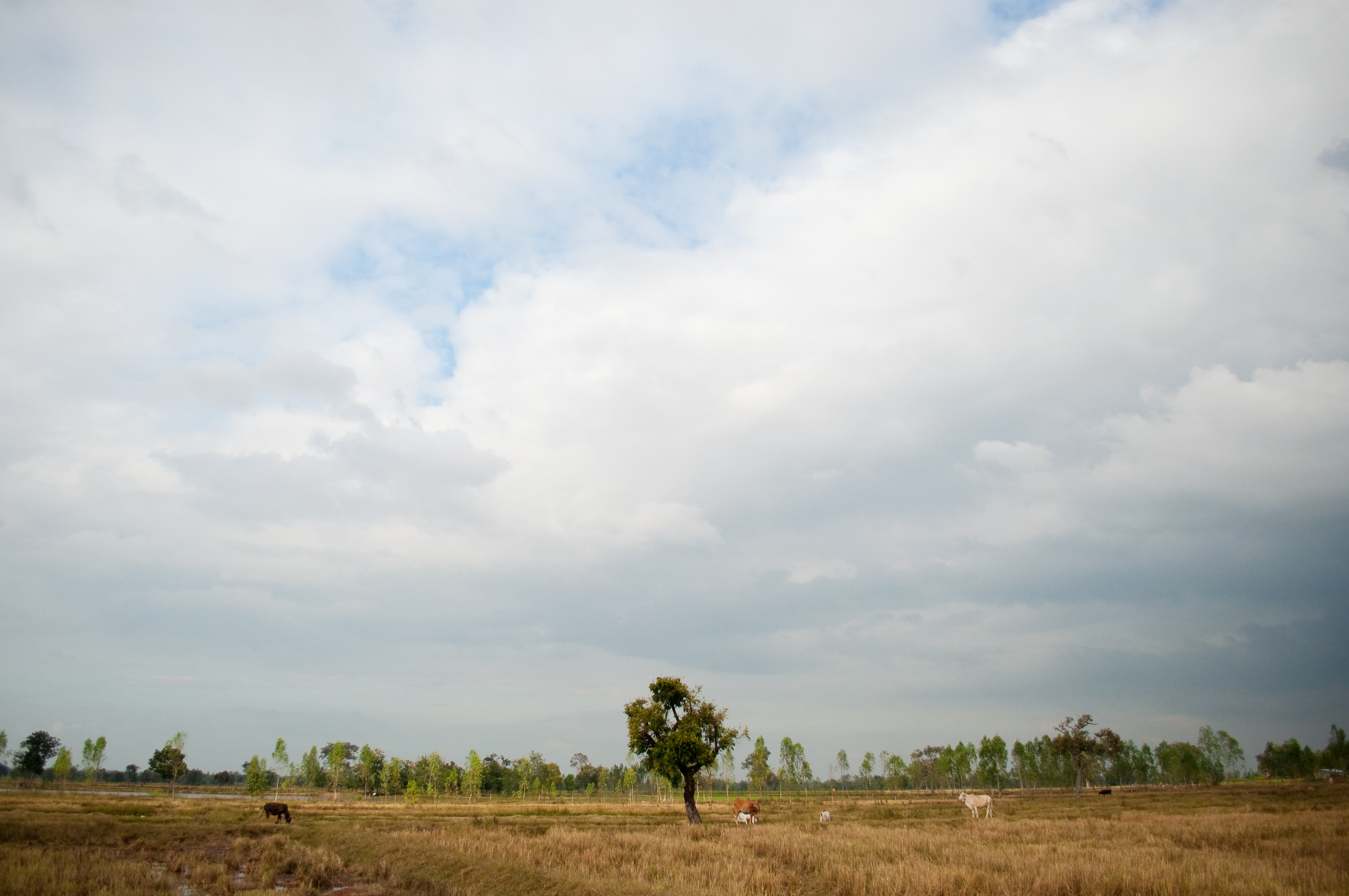
Some of my favorite memories growing up were watching magnificent storms roll in from 50+ miles away from the ranch at home; the photo above can’t do it justice.  Or drinking in the uninhibited views from my favorite Idaho peaks in the Seven Devils range or on top of Mount Borah.  Breathing in the thin air at the top of Cotopaxi in Ecuador or the Sun Gate above Machu Picchu. Dangling my feet and peering over the crag on the top of Half Dome in Yosemite.

These mountain top moments represent the times I feel closest to my Creator, standing (or falling down) in awe of His wonder, power and majesty.  I find joy and perspective in those places. Conviction in purpose and calling. Divine energy.

I’m spoiled with frequent mountain top moments in Thailand.  Not so many literal ones in this tropical climate, but plenty of figurative ones to keep me energized in the morning.

They generally look something like:  Seeing street kids escape their heartbreaking reality for a moment as we play games and laugh together. Holding the dream-like gaze of a new friend as we talk about possibilities for her life outside the bar as customers come and go in the background. Walking and chatting with a couple of teenagers that have just learned the message of Christ for the first time and are overflowing with questions. Photographing the wedding of a student and watching the couple commit to raising their adorable daughter together. Busting up ground with a bunch of ragamuffin kids in the countryside as we plan out a new garden plot.

But then we leave those moments and face the reality of the hard stuff that follows.  The fact that those street kids that were able to escape for a moment will still have to sleep on the street and will probably get deported again soon. Walking with this new friend through the uphill battle of trying to leave this bar scene, peppered with disappointment and a system working against her. Discipling teenagers who have no healthy role models in their lives and who are only in our community a few months out of the year. Seeing the newly-wed couple walk through the difficulty of relationship and child-rearing, even in community, as they struggle with serious addictions and trust issues.

Off the mountain and into the valley we go.

The reality is, life is tough in the valley.  Brokenness and poverty – be it material, spiritual, relational, etc – are ugly and often seem unfixable.  Helping someone in such complex environments is like trying to catch a bar of soap in the shower. Or rather, trying to catch a bathtub full of bars of soap.

I confess I’m often tempted to run away to build a house on the mountain top.  I can better stomach brokenness and poverty from high up and far away, where I have clear and unobstructed perspective that God is bigger and more powerful than they are.  In other words, I would love to live for those first moments of hopefulness and avoid the messy aftermath that happens in reality.

A friend recently dropped one of those timely reality-checks on me as she reminded me that God didn’t create us to DWELL on the mountain top.  God created us for the valley.

The valley is messy, but it’s where He’s working.  The Kingdom is built when we step into others’ messes, when we walk people out of messes, and sometimes when we make messes that need to be created.  The mess of the valley is where He calls us to dwell.

Can you imagine a house on the top of Half Dome? No way.  For one, it’s crazy-dangerous.  And it’s not “real life.”  If I lived up there, not only would I likely get struck by lightening but I would quickly lose touch with the beauty and intricate complexity of what I was seeing below.  Part of the reason I like the mountain top is the joy of going back down and sharing what I saw, experienced and learned.

Why, then, in our spiritual lives do we always want to build a house on the mountain?

Look at Moses – my all-time favorite mountain man.  Moses met with God on the mountain. We all have the flannel board scene of the burning bush burned into our memory.  But how many of us remember that Moses had to go down from the mountain to lead the Israelites out of Egypt.  In other words, he had to leave the mountain for a mess.  Fast forward to post-Red-Sea-parting and the Israelites freed from Egypt… God summoned Moses back up to the mountain again, this time to give him the Ten Commandments.  Did he stay up there this time?  Nope. Moses came down from the mountain and stepped into another enormous mess, carrying the power and presence of God to make history in the valley.

Imagine what would have happened if Moses had stayed up on the mountain?

In our case, what would happen if we left the conversation at “there’s hope for you” and then failed to walk with her through the mess of stepping into that hope?  What would happen if we simply handed over the photos of the beautiful wedding and failed to walk with them through the mess of relationship?  What would happen if we left the ragamuffins with this plot of cultivated soil without walking with them through the process of planting, tending and harvesting a crop?

I’m asking myself these questions and would and invite you to join in asking yourself as well.

How often do we live FOR those mountain top moments — those joyful moments of safety and security where we can just point to God at work and clap our hands — rather than live BY them as we step down and join God in His work amidst the mess of the valley?  What mess is God calling you into?

When we’re in the valley, how can we better treasure those mountain top moments?  How can we develop the discipline of “lifting our eyes up to the mountain” and be sustained by what we’ve seen there rather than just seeking out the next mountain top moment?

“I lift my eyes up to the mountains. Where does my help come from?”   – Psalm 121:1 

Happy New Year, Round 2

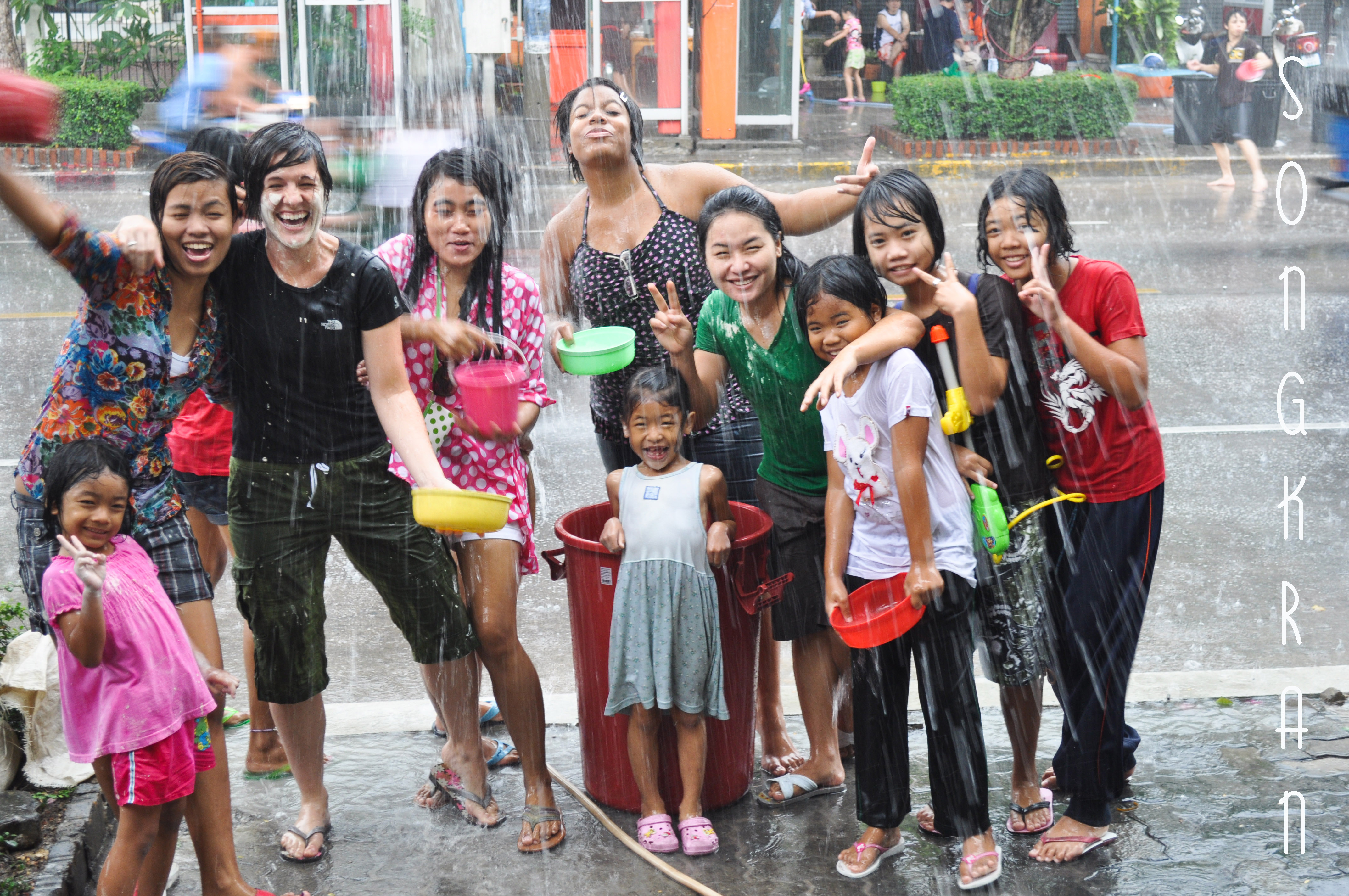
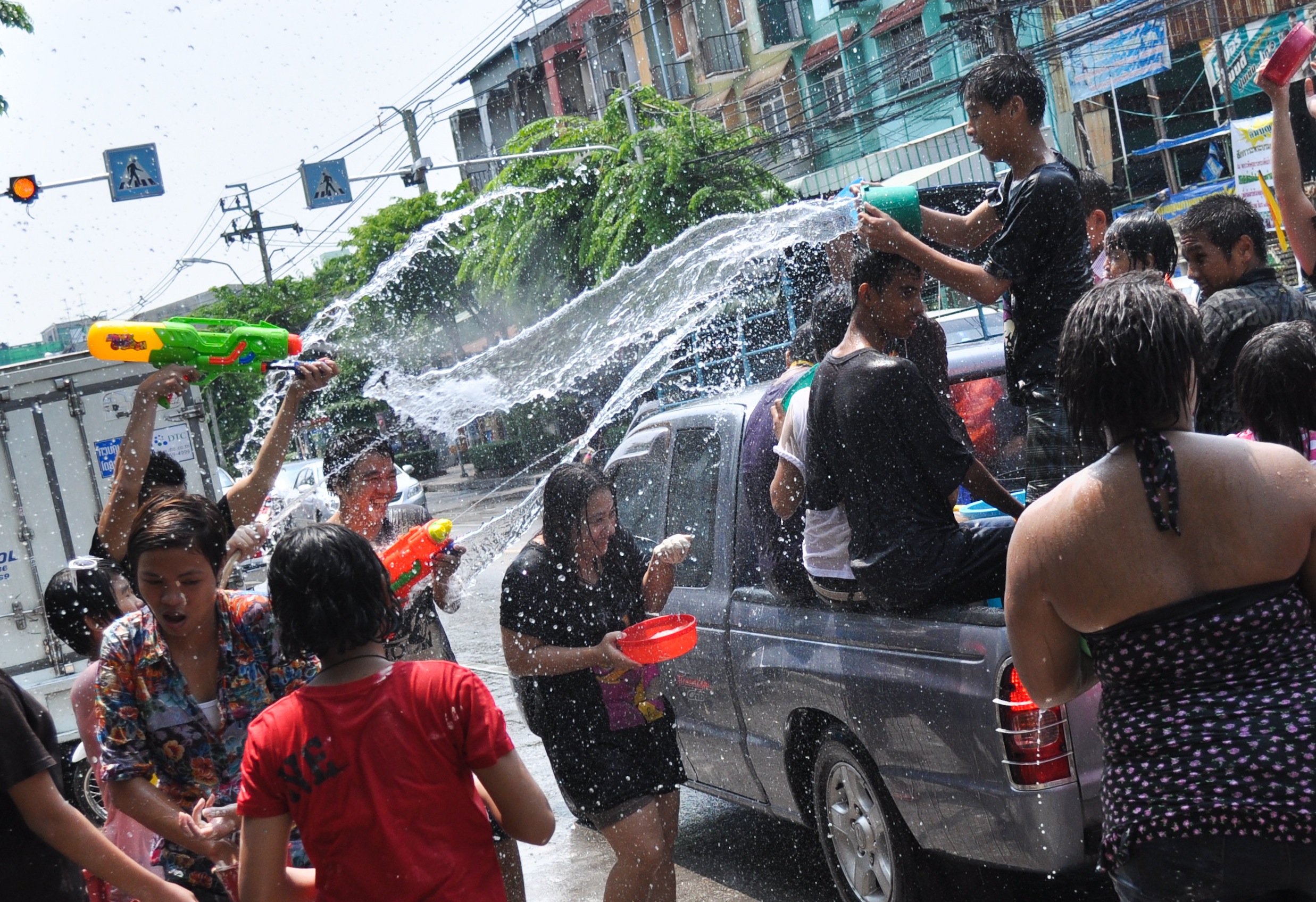
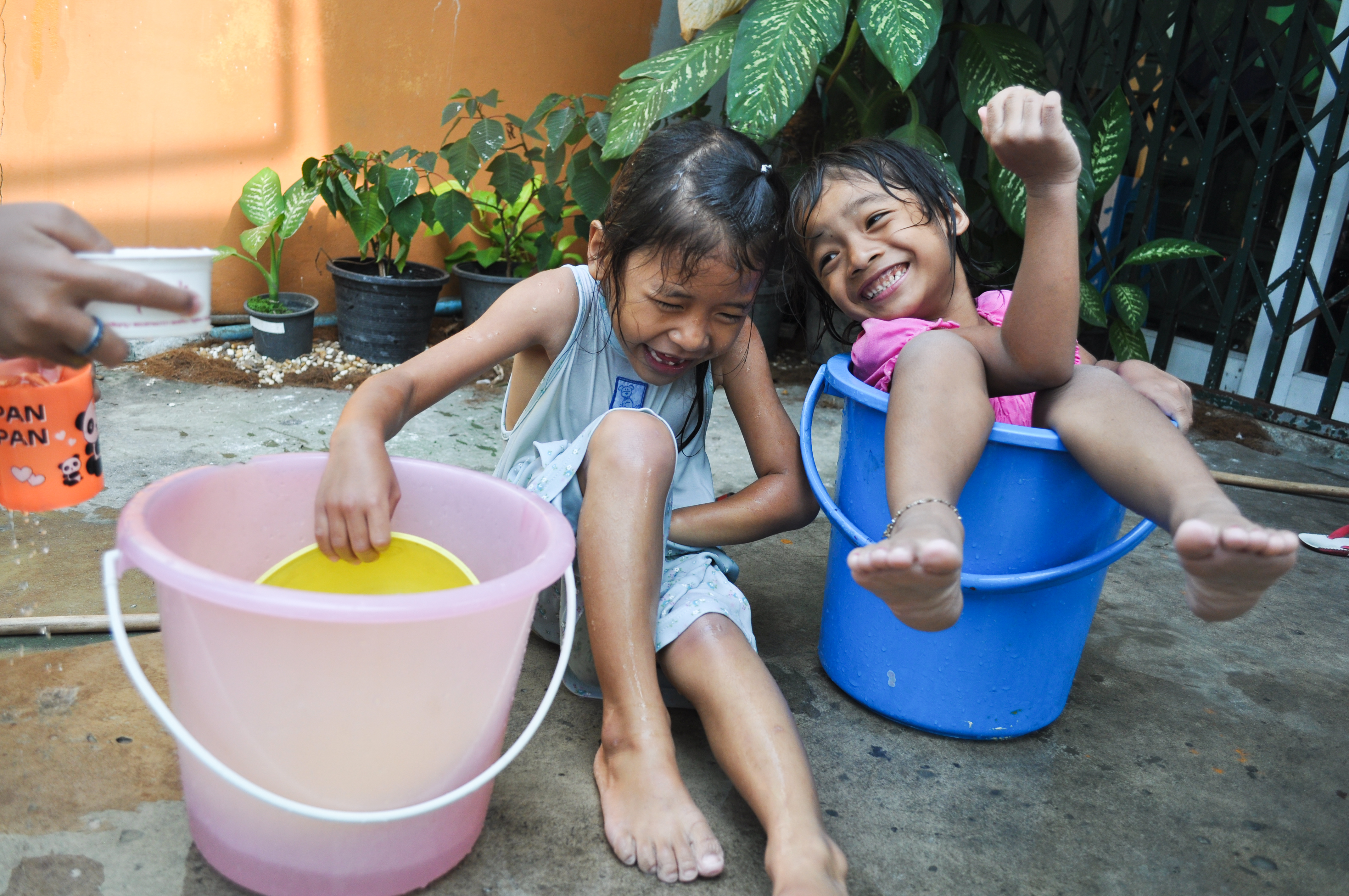
Three months and some change after celebrating the Gregorian New Year with it’s fireworks and resolutions, Thailand shuts down for three solid days of Songkran, the country’s traditional New Year celebrated with massive water- and powder-fights.

It’s sort of like having a second breakfast.

I have to confess to loving second breakfasts.  (Who could turn down a second heaping mound of dad’s famous pancakes or, in the case of my previous two days, a second heaping mound of mango sticky rice?)

Second helpings of new year celebrations (or third, if you count the Chinese New Year in February) are equally welcome in my life.  A little change of pace from the craziness of the schedule for some even crazier fun and a little time to reflect on the “new year” ahead.  And maybe I can start over on those New Year’s resolutions that didn’t make it to February, let alone April.

As for Songkran-specific celebrations… it’ll take some time to recover from the unexpected full-day workout I underwent by violently throwing water at cars, trucks and motorcycle gangs driving by on crowded Bangkok streets.  Not sure it was enough to work off the sin of mango sticky rice consumed in large portions, but it sure left me with a sore arm.  And that was just day one.

Thai people like to call Songkran the world’s largest and longest waterfight. Granted we’re now only two days into the three day event, but I would have to agree with that claim to fame.

Here’s a small taste of the fun; photos taken at great risk to life and lens…

Happy New Year!

Country Bumpkin

The first of a series on Buriram…

As much as I love our activities in Bangkok, the biggest area on my heart here in Thailand is the vast expanse of rice fields that make up Thailand’s rural Isaan region — a region known for it’s extreme poverty and as “home” to the vast majority of the women we meet and serve in Bangkok.  My biggest hope here is to somehow grasp the root factors leading to the migration of women from the rice fields to the red light districts and, God-willing, invest in some areas that will help break the cycle on a holistic and sustainable basis.

I admit to having many assumptions about those root factors before I came here.  Assumptions about poverty.  Assumptions about needs, resources, values, desires of communities to change and assumptions of what I might be able to do to “help.”

Some much brighter minds than mine warn of these assumptions and accompanying attitudes with respect to how to tackle poverty.  Steve Corbett and Brian Fikkert in the book “When Helping Hurts: How to Alleviate Poverty without Hurting the Poor…And Yourself” gave me some paradigm shifting food for thought last fall which shaped my approach to Buriram:

One of the biggest problems in many poverty-alleviation efforts is that their design and implementation exacerbates the poverty of being of the economically rich – their god-complexes- and the poverty of being of the economically poor – their feelings of inferiority and shame.

I had to chew on that one for a while, I admit.

The alternative to entering a situation with a god-complex (or the attitude that I’m less poor and therefore have come to “help” people out of their helpless state) is entering a situation with humility and the primary objective to learn.  Rather than documenting the number of ways that they could or should be better off (read: more like us), it’s seeking their unique value and worth.

Corbett and Fikkert characterize it this way: “By showing low-income people through our words, our actions, and most importantly our ears that they are people with unique gifts and abilities, we can be part of helping them to recover their sense of dignity, even as we recover from our sense of pride.”

So, I spent the last several trips trying to rid myself of my western pride, attitudes and assumptions by simply being a part of the community and not really trying to change, or do, anything.  I hoped simply to build relationships. As a result, I was able to see that there are many people in Buriram far less poor than I am in many ways and I have a great deal to learn from them.

One thing working against me… Many in the region are used to white people coming in and throwing down money to “fix things.”  Sadly, many of the nicer things in the area came as a result of an influx of foreign money, often through a foreign husband.  Sometimes those foreign husbands are still around, some visit every few years, but most are out of the picture.  I could write another blog post on this, or perhaps a thesis (which I should be working on right now instead of blogging, by the way…) but I’ll refrain for now.  I’ll simply observe that the allure of foreign wealth is a significant contributing factor to young women migrating to the city — and to the red light districts — to find a husband.

It leaves me with the uphill battle convincing the community that I’m different than the white people they’re used to; that I’m not a source of quick wealth.

I just have to convince them I’m not a foreigner at all.

Fast forward to now.  My time just hanging out and being one of the family members has paid some dividends.  When someone calls me a foreigner, the kids quickly and protectively shout back before I ever get the chance:  “mai chai farang – khao bpen khon thai leeo”.   She’s not a foreigner – she’s Thai!   It’s a running joke now; I still stick out like a sore thumb, but those words bring me great joy.

How did that happen?  Pretty sure a gracious God had something to do with it.

Some say I earned those stripes by eating (and loving) their local specialties of fermented-fish-flavored spicy food (nothing earns you more rapport with Thais than eating their food in mass quantities).  Snacking on bugs generally turns some heads; they’re not used to foreigners eating them other than for a possible photo-op. I think the scale tipped when I broke a flip flop but instead of tossing it, I fixed it with a piece of rope and kept wearing it until someone sneakily tossed them while I was asleep.  (I’m still a little bitter about that one.)

I think it’s starting to stick that, despite my white skin and my incessant questions, I’m just another Buriram sister, cousin, aunt or niece.  In many ways, more country bumpkin than they are.

Thankful for the chance to be welcomed into their community and looking forward to what this next season has in store.

Next up — putting the hand to the plow…